What to Do When Your Rent Is Due Before Payday

Rent lands on the 1st. Your paycheck lands on the 15th, on a Friday two weeks later, or on some biweekly schedule that never quite lines up with the calendar. The money is coming. It just isn't here yet.
That gap is usually a timing problem, not an affordability one. You can pay the rent. You just can't pay it on the day your lease says to. This guide walks through two paths for closing it: changing the arrangement by moving your due date, or working within it by building a buffer or splitting the payment across two paychecks.
Know Your Real Deadline: Due Date vs. Grace Period
Rent is typically due on the 1st because it's paid in advance for the month ahead, and landlords set that date around their own costs. A payday on the 15th or a biweekly cycle simply wasn't part of that calculation.
Your legal due date is the one written into your lease. That's the date rent is actually due.
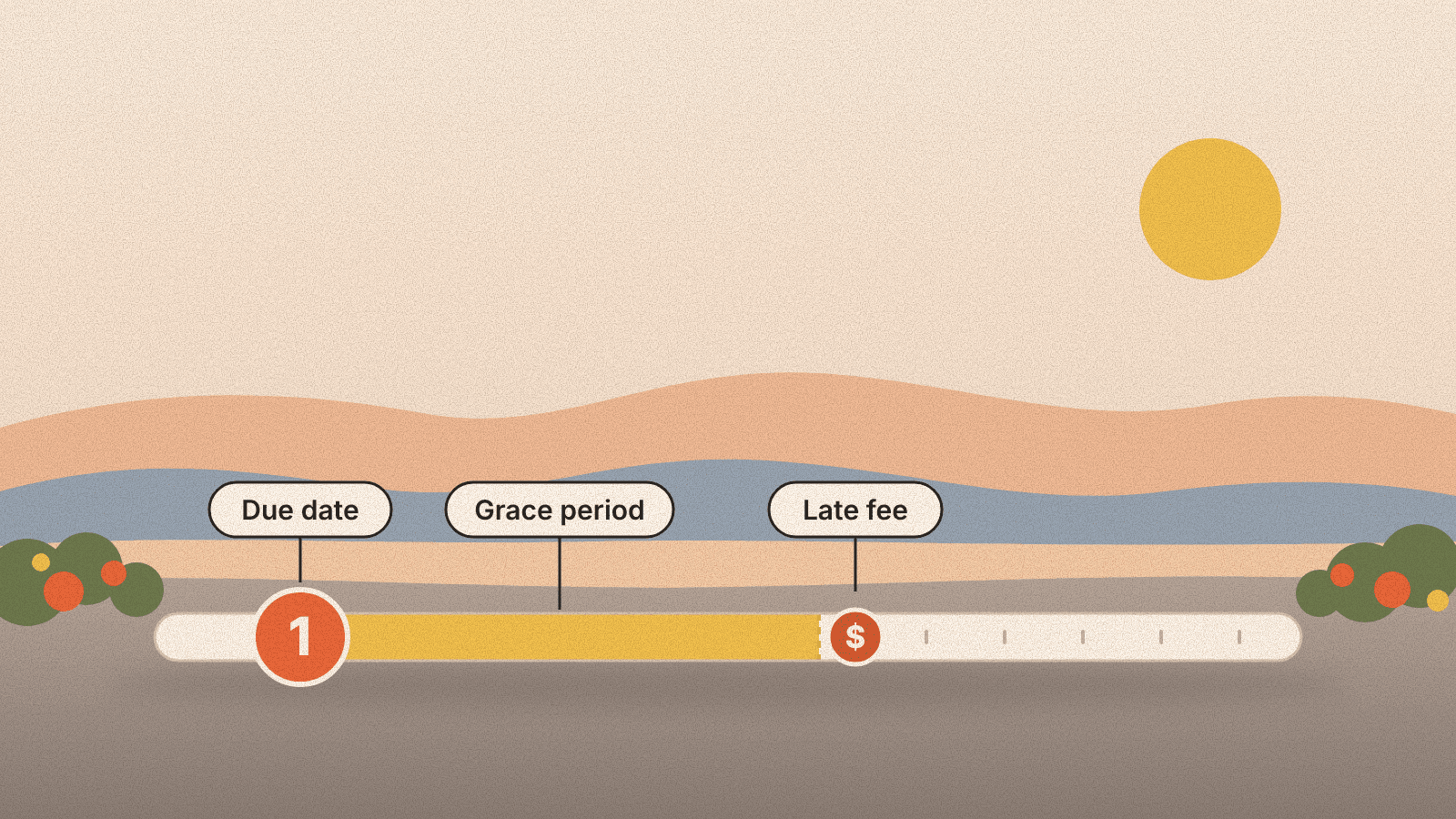
The grace period is different. If your lease or your state provides one, it gives you a short window, commonly three to five days, before a late fee kicks in. It varies by lease and by state, and some leases have none at all.
That window only delays the late fee. A grace period doesn't move your legal due date. Treating it as extra time you're automatically entitled to is a mistake unless your lease or your state's law explicitly says otherwise.
Check your lease first, then your state's landlord-tenant rules. Do this before you decide to pay late, not after. The consequences of missing your real deadline depend on both documents.
Ask Your Landlord to Move Your Due Date
Landlords can set the due date anywhere they want, as long as it's in the lease. Some already align due dates to a tenant's payday because it means more reliable, on-time payments for them too. Asking is a reasonable request that benefits both sides.
You have two versions of this ask.
1. A permanent change moves your due date going forward for the life of the lease, which is the durable fix if your pay schedule never changes.
2. A one-time shift covers a single tight month without reworking anything long-term, useful if this gap is temporary.
Raise it early, before you're already late, and be direct about what you need. A specific date tied to your actual payday lands better than a vague request for "more time." Frame it around helping you pay on time and reliably, since that's what your landlord actually cares about.
Get any change in writing. A due date shift mid-lease usually requires proper notice and the landlord's signed agreement, not just a verbal okay.
Set your expectations honestly. This is entirely at your landlord's discretion, and they can say no. The next two sections cover what you can do on your own, without needing that agreement.
Build a One-Month Buffer So You’re Always Paid Ahead
This fix is fully in your control, and you don’t need your landlord’s approval for it. The idea is to save a full month’s rent, so you pay the 1st with money you earned the month before.
Once that buffer is in place, the gap between payday and the due date stops mattering, because you’re never waiting on a paycheck to cover rent.
How to Build Your Buffer
- 1.Set aside a small amount from every paycheck until it adds up to a month’s rent.
- 2.Put a windfall toward it, such as a tax refund, a bonus or an unexpected reimbursement.
- 3.Cut back on spending for a set period, like a few months, until the buffer is complete.
Say your rent is $1,000 and you’re paid every two weeks. Here’s roughly how long it takes to build the full buffer, depending on how much you set aside from each paycheck.
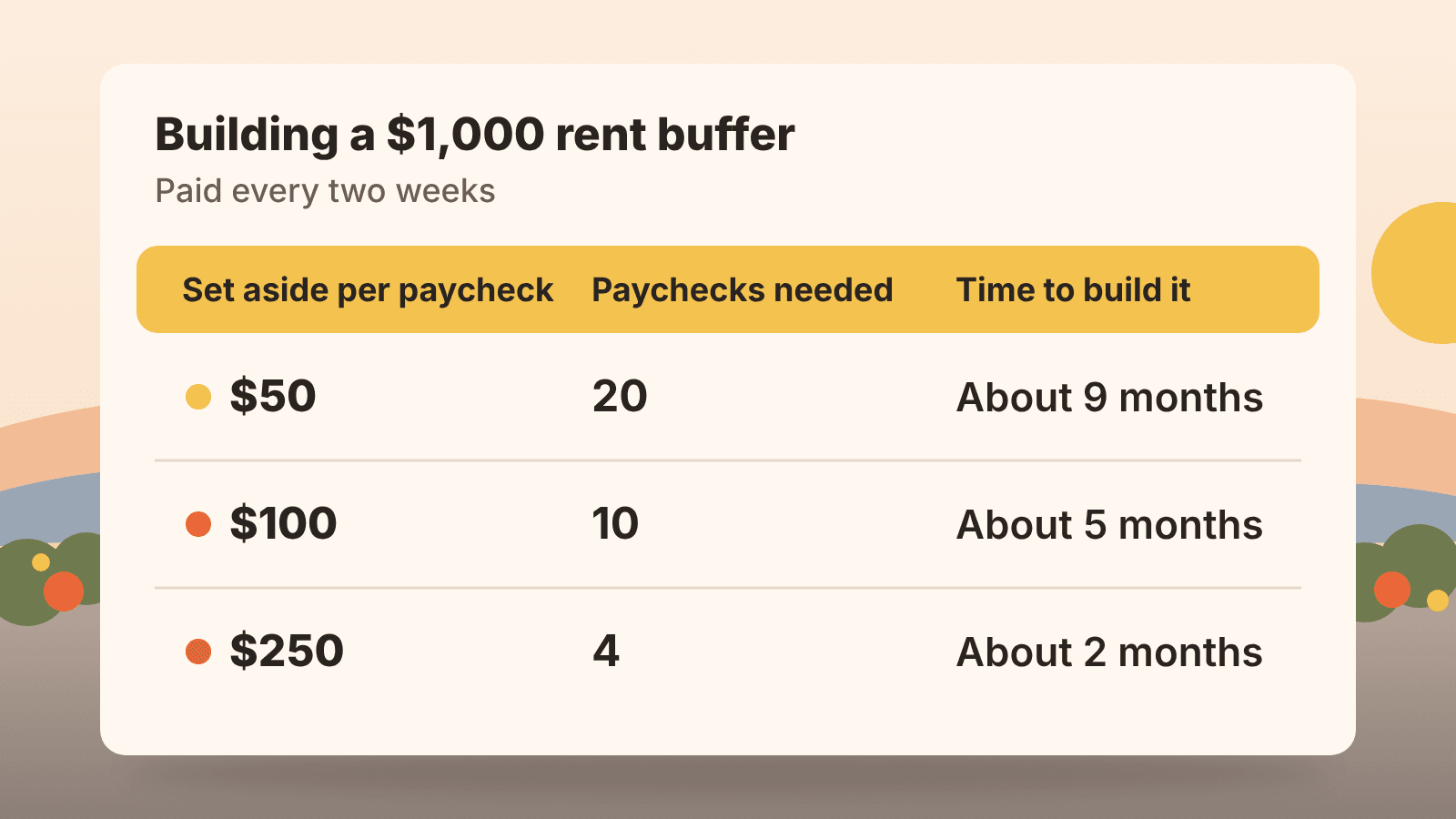
If you get a $1,000 tax refund, you can build the whole buffer at once.
When a Buffer Isn’t the Right Fix
If rent takes up your entire paycheck and there’s nothing left to save, the real problem is probably affordability. You don’t have room to build a buffer in that case.
A better place to start is finding a roommate to share costs, moving to a cheaper unit or applying for local rent assistance programs.
Automate Your Rent Once the Buffer Is Ready
When your buffer is in place, set up automatic rent payments to your landlord. The payment goes out on schedule each month, so you don’t have to remember it or start it yourself.
Split Your Rent Across Two Paydays
Instead of one large payment on the 1st, some renters cover rent in two smaller amounts that line up with two paychecks arriving during the same month.
Some landlords will accept two payments a month if you ask directly. Many won't, and prefer a single payment on the due date for simplicity. Some refuse partial payments as a matter of policy, because accepting a partial payment can complicate a landlord's legal position if they later need to pursue eviction for nonpayment.
In several states, taking a partial payment during that process can be read as an implied agreement to a new arrangement. This route needs your landlord's clear, upfront agreement, not an assumption that it's fine.
This is about timing, splitting a single month's rent into two payments that happen within that same month. It is not paying rent "biweekly" as a way to pay extra or pay it off faster, which isn't how rent works. You still owe exactly one month's rent for that month.
Split Pay doesn't require your landlord to change anything. Your rent amount stays the same. Your lease stays the same. Only the timing of your two payments changes, matching your actual paydays instead of a single date that may land before either check arrives.
What to Do If Rent Is Already Due and You're Short
1. Communicate before the due date passes, not after. If you haven't already asked for a one-time later date, do it now, with a short and specific plan: the exact date you'll have the money and why. Landlords generally respond better to a clear heads-up with a firm date than to silence followed by a late payment.
2. Check the grace period you identified earlier in this article, so you know your true last day before a late fee applies. That window, if you have one, is your real deadline for this month, not the 1st itself.
3. If you're considering a credit card to bridge the gap, understand the cost first. It can buy you a few extra days, but rent payments made by card usually carry a processing fee in the 2.5% to 3.5% range, on top of whatever you owe. Carrying a balance beyond that turns a short-term timing problem into a longer, more expensive interest problem.
Once you're back on stable footing, put one of the durable fixes above in place, moving your due date, building a buffer, or splitting your payments, so you're not back in this position next month.
Rent Due Before Payday FAQs
1. Can I negotiate a due date change if I'm on a month-to-month lease?
Yes, and it's often easier than in a fixed-term lease, since there's no long lease document to formally amend. A quick message confirming the new date keeps both sides on the same page.
2. What happens if my landlord agrees to split payments verbally but doesn't put it in writing?
Verbal agreements are hard to enforce if a dispute comes up later. Ask for a short written confirmation, even a text or email exchange restating the new schedule, before relying on the arrangement month to month.
3. Does splitting rent across two paydays work the same way if I have roommates?
Yes. The lease has one due date and one rent amount for the whole unit, so splitting only covers your own share of that payment, not the roommates' combined total.
4. If I get a pay-or-quit notice, can paying what I owe stop the eviction?
In many states, yes. Paying the full amount owed within the notice period halts the eviction process before it goes further. The exact rules and timeframes vary by state, so check your notice and your state's landlord-tenant law for the specific window you have.